Life insurance is not generally a legal requirement for taking out a mortgage. A lender may require buildings insurance on the property, but life insurance is normally a separate protection decision. The reason many homeowners consider it is to reduce the risk that a surviving partner or family would be left with a mortgage they could struggle to maintain alone.
Protecting the mortgage
How life insurance can protect your home
A mortgage can be one of the largest financial commitments a household takes on. Life insurance can provide a lump sum if the person covered dies during the policy term, giving a partner or family money that could be used towards repaying the mortgage and reducing the financial pressure that follows.
Mortgage protection is not necessarily a separate type of life insurance. It normally means arranging life cover with the mortgage in mind. For a repayment mortgage, decreasing term assurance is commonly considered because the amount of cover reduces over time. Level term insurance keeps the insured amount fixed and may be more appropriate where you also want to leave money for other family needs.
The starting point is therefore not simply finding the cheapest policy. It is deciding what you want the insurance to achieve, how much cover would be needed and how long that protection should remain in place.
Match the purpose
Decide whether the policy is intended mainly to help repay the mortgage or whether it should also provide money for wider family needs.
Check the term
A mortgage-focused policy will often be arranged so the cover period broadly reflects how long the mortgage is expected to remain outstanding.
Compare the structure
Decreasing and level term insurance work differently, so the appropriate structure depends on the mortgage and the protection you want to create.
Frequently asked questions
Mortgage protection questions
Decreasing term life insurance is commonly used alongside repayment mortgages because the amount of cover reduces during the policy term. The intention is that the insured amount broadly follows a mortgage balance that is also reducing. The policy should still be checked carefully because the way cover decreases may not exactly match every mortgage.
With decreasing term insurance, the amount that could be paid out reduces during the policy term. With level term insurance, the insured amount normally remains the same throughout the term. Level cover may therefore leave more money available beyond the mortgage, while decreasing cover is often designed specifically around a reducing financial commitment.
If the sole purpose is mortgage protection, the outstanding mortgage balance provides a useful starting point. But mortgage debt may not be the only financial issue your family would face. Income replacement, childcare, household bills and other debts may also matter, so the amount of cover can be considered in the context of the household rather than the mortgage alone.
Where the main purpose is mortgage protection, people often consider a policy term that broadly matches the remaining mortgage term. Your circumstances may justify a different period, particularly where the policy is also intended to protect children, replace income or meet another long-term family need.
Yes. Couples may consider a joint life policy or separate individual policies. A joint policy will usually pay once following the first qualifying death and then end, whereas two separate policies can provide independent cover for each person. The right structure depends on the protection required, flexibility and budget.
The life insurance policy and the mortgage are usually separate contracts, so moving home does not necessarily mean the life policy ends. However, a larger mortgage, longer borrowing term or changed family circumstances may mean the existing level of cover should be reviewed.
It can be sensible to review the cover when the mortgage changes. A remortgage may alter the balance, term or repayment structure, and the life insurance originally arranged may no longer match the financial commitment you want to protect.

How Does Decreasing Term Life Insurance Work for Mortgage Protection?
Decreasing term life insurance is a type of life cover where the amount of cover reduces over time. It is commonly used for mortgage protection, especially…

How Life Insurance Works With a Mortgage
The clear answer upfront Life insurance doesn’t replace your mortgage — it provides the money to clear it if you die. If set up correctly, life…

How Much Life Insurance Do I Need in the UK?
The clear answer upfront - There’s no one-size-fits-all amount of life insurance. The right level of cover depends on who relies on you financially, what debts…
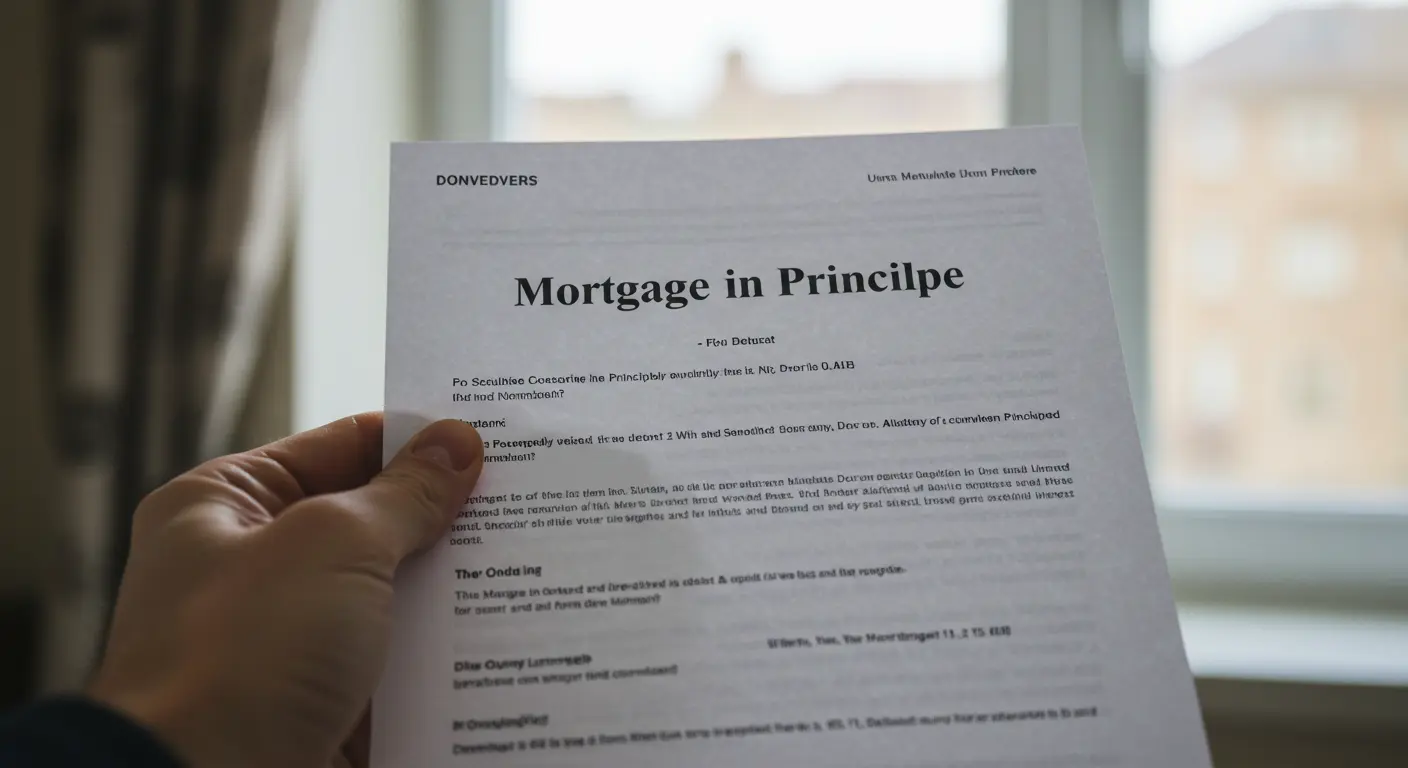
How Much Life Insurance Cover Do I Need to Protect My Mortgage?
As a simple starting point, your life insurance cover should usually be enough to clear your outstanding mortgage if you die during the policy term. So…

Life Insurance for New Homeowners
Buying a home is one of the biggest financial commitments most people ever make. It is exciting, but it also creates a long-term responsibility. Once the…
Next step
Compare life insurance for your mortgage
If you know what you want to protect, the next step is to compare the available cover in the context of your mortgage, household and wider financial responsibilities.